What creatures and plants do you remember spotting as a student? Find out what is on campus now, with tips you can use in your own garden.
In the last few years, stoats, voles, shrews, foxes and even muntjac deer have been spotted on campus. Birmingham committed to being a Nature Positive University in 2025 and is developing a biodiverse ecosystem that encourages even more wild visitors to the Edgbaston campus.
Our campus experts guide us through a few wildlife highlights.
-
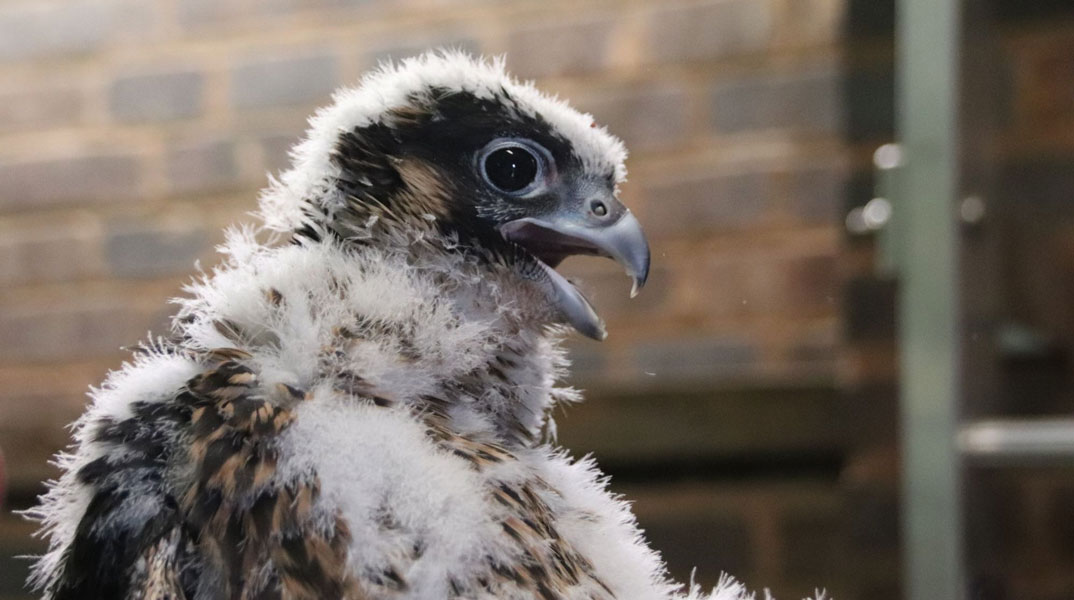
Young peregrine falcon at the top of Old Joe
-
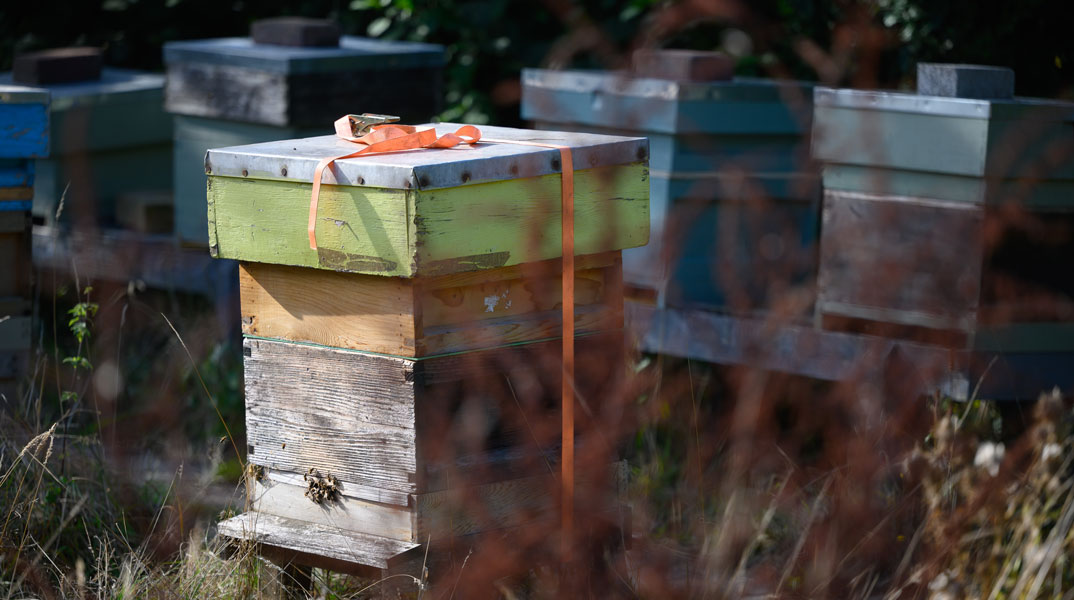
Beehives at Winterbourne House and Garden
Photo by Nick Robinson
-
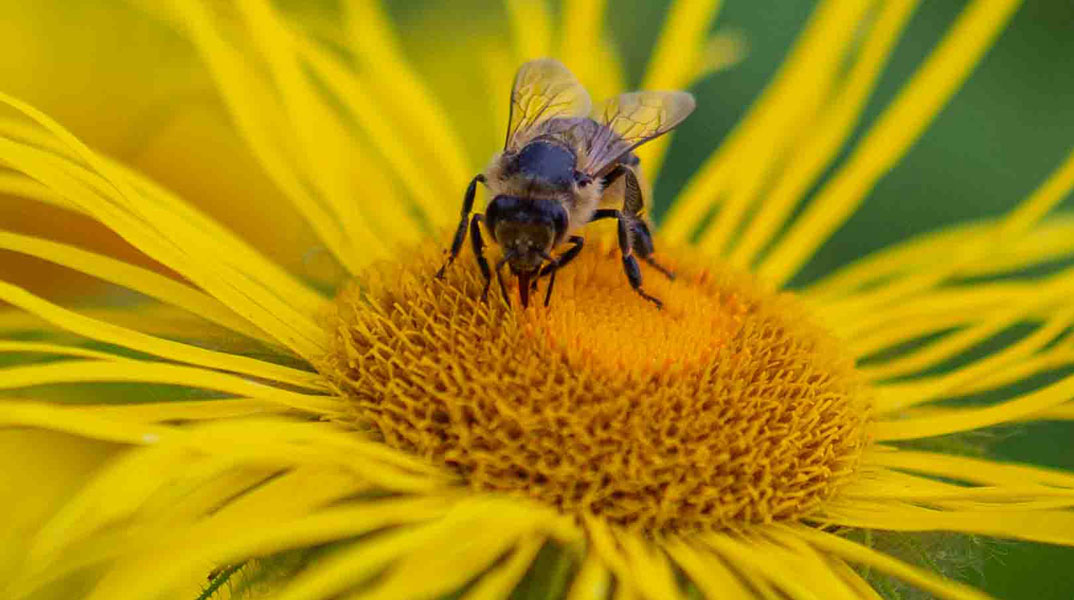
Bee at Winterbourne House and Garden
Photo by Tony Bucknall
-
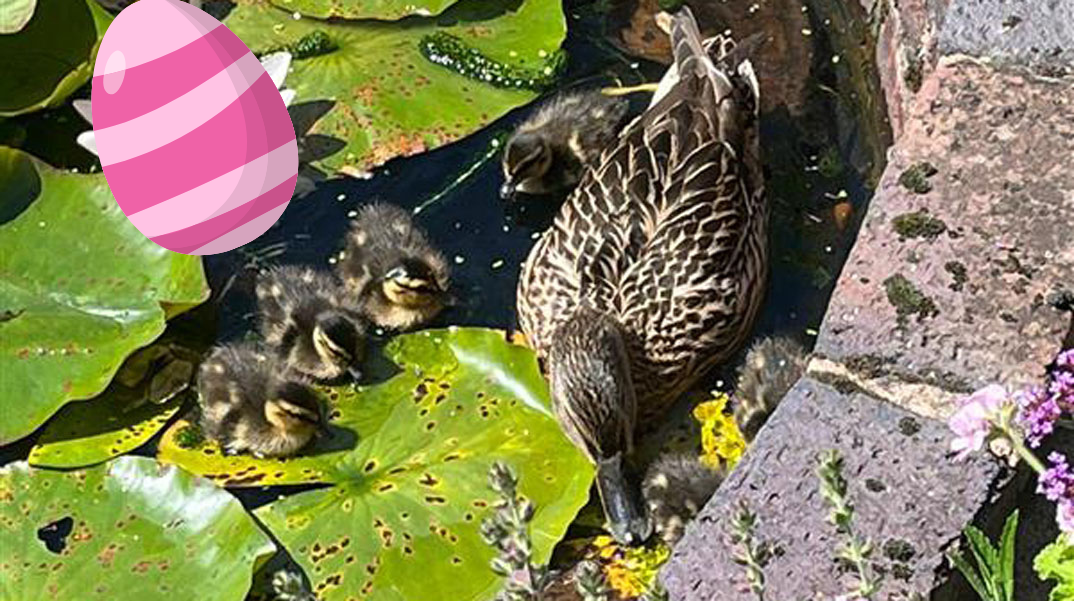
Ducklings at Winterbourne House and Garden
Photo by Matt Larmouth
-
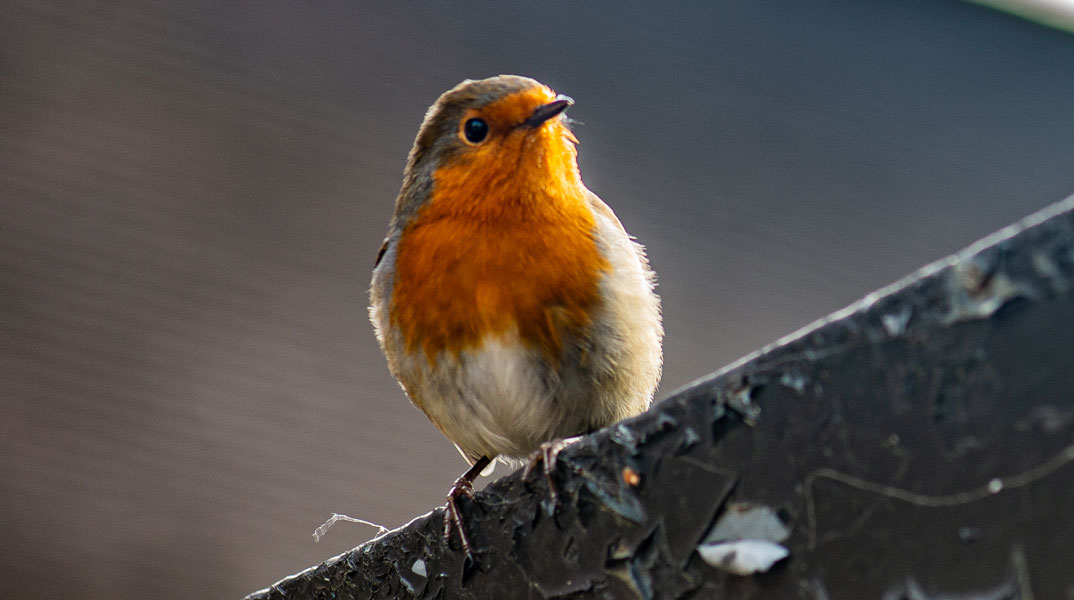
Robin at Winterbourne House and Garden
Photo by Tony Bucknall
-
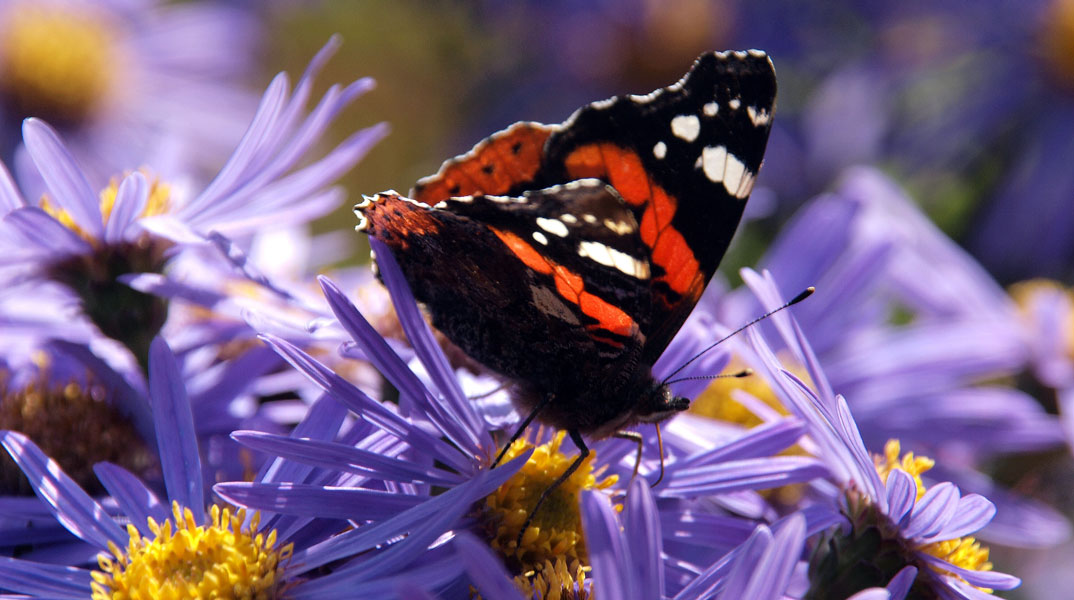
Butterfly at Winterbourne House and Garden
Photo by Susan Georgiou
Bees and badgers at Winterbourne House and Gardens
Winterbourne House and Gardens are a stepping stone for nature between local woodland and campus. Originally planted as a formal Edwardian garden, the team are now balancing the manicured look with gardening that encourages insects, which in turn encourage more birds and mammals. Initiatives include No-Mow May, leaving herbaceous borders uncut over winter and leaving dead wood standing when a tree dies so insects can live there. Winterbourne also hosts 15 apiaries, working with the Birmingham Beekeeping Society. During Heritage Week each September, thousands of people visit to try the honey and learn more about the bees.
Dan Cartwright-Chaouki, Head Gardener for many years, says: ‘While we have never seen them in person, badgers made their presence felt a few years ago. We had lots of chafer grubs living in the ornamental lawns that year. Badgers love to eat them, so they dug up 80% of the formal lawns throughout the winter, and we had to jigsaw the grass back together each morning.’
Peregrine falcons at the top of Old Joe
Peregrine falcons have been spotted around campus since the early 1990s and staff have worked hard to make them welcome. Peregrine falcons do not build their own nests and look for high vantage points such as cliffs and rocky outcrops, which Old Joe mimics. A nesting box installed at the top of the tower in 2010, facing outwards across the Green Heart, was home to the first chick born in 2013.
Every spring, all major activity on the tower takes a four-month break in case a pair of falcons have chosen campus to lay eggs this year. If Old Joe is not lit up, there’s a good chance it is breeding season. The only exception is a brief visit in mid-May to check the nest and to add identity rings to the legs of any chicks. Find out more about the peregrine falcons on campus and what to do if you encounter a fledgling learning to fly.
You can watch the peregrine falcons in the nest through the warmer months thanks to a new bird cam streaming live images from the top of Old Joe.
Birds across campus
Environmental Science student Adam Abrahams is undertaking a survey of birds on campus through a student placement with Winterbourne House and Gardens. He says: ‘It is like the RSPB’s Big Garden Birdwatch, but over a much longer time, January to May, and focusing on campus areas: the Winterbourne Gardens; the nearby Edgbaston Pool and forest area; and a suburb area where lots of students rent.
‘Even if you don’t pay particular attention to them, birdsong is integral to the sound of campus. The rarer birds include firecrests, woodpeckers, treecreepers and jays. By the Aston Webb Building and across the Green Heart, the most common birds are pied wagtails and blue tits. The wagtails dart around students’ feet in search of beetles, flies and meal-deal scraps, having learned that students are often grabbing a quick bite to eat as they walk between lectures.’
Bats near the North Gate
Cai Lansdown, Apprentice Sustainability and Environmental Officer in the University’s Estates team, is producing a field guide to help people identify and monitor bats. He says: ‘We’ve seen five species of bats on campus: all three kinds of pipistrelles, plus the common noctule and the rarer Daubenton's bat. Where and when you see them depends on the species. While pipistrelles appear at dusk, the noctule will not come out until it is fully dark and prefers to roost in old trees. The Daubenton's bat hunts insects over water, so you are most likely to see it at the lake at the Vale, or by the brook or canals.
‘We've got plenty of bat boxes to encourage them to roost on campus, but they’ll choose where to stay each night depending on noise, light and the availability of food. We can increase the number of insects available for them to eat by planting wildflowers and avoiding pesticides. Bats are a great indicator species, so if you are gardening for wildlife, bats are a good sign that what you're doing is working.’
Biodiversity: encouraging more wildlife on campus
Zoe Hurley, Head of Sustainability, says: ‘50% of the Edgbaston campus grounds is semi-natural habitat, important to nurture biodiversity. Planting and managing the grounds for biodiversity welcomes a much wider diversity of native plant life, which encourages more insects, plus the birds and mammals that feed on them. For example, we have insect hotels around the lodges at the North Gate and have included them in the brickwork of a new student launderette building beside Mason Halls.’
The University is working with Birmingham and Black Country Wildlife Trust to develop a campus grounds enhancement plan. Birmingham’s work to enhance biodiversity locally is matched with raising awareness of global impact, developing the next generation of specialists and nature-positive leaders, and establish world-leading sustainable facilities to enable sustainable learning. Connection with nature on campus is also a key part of supporting the wellbeing of staff, students and our local community.
Using Birmingham's research to create an 'evolution garden' at BBC Gardeners’ World Live
Academic, author and broadcaster Professor Alice Roberts and acclaimed international garden designer, Professor David Stevens, are creating the headline show garden at BBC Gardener’s World Live 2026.
Held at the Birmingham NEC from Thursday 18 – Sunday 21 June, The Garden of Evolution will trace the evolution of plants and life forms from their first appearance on our planet through to the present day. Conceived by Professor Alice Roberts and supported by University of Birmingham academics, the garden will enable visitors to walk through a living landscape of primitive plants, creatures, and the beginnings of human life.
Have you seen any of these on campus?
We would love to see your photos and hear your stories of spotting wildlife on campus!