Birmingham’s clinical trials are giving more people access to new treatments, quicker than ever.
Clinical trials gather evidence of how well a drug works and for whom, but they are expensive and complicated to run. Patients want access to new treatments as soon as possible and researchers want to include the people most affected by the condition they are trying to treat.
The University of Birmingham is developing the next generation of clinical trials to address three key issues:
- How to recruit patients to trials that are reflective of the real-world population
- How to get enough people onto a trial when the condition or untreated population are uncommon
- How to get new or existing treatments to all patients faster
Local opticians helping test a new treatment for debilitating headaches
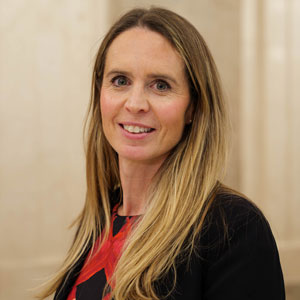 From laboratory discovery to early clinical studies, initial research at the University of Birmingham indicated that the weight loss drug Tirzepatide (marketed under the name Mounjaro) could help people with a debilitating condition causing ‘blinding’ headaches and potential sight loss, known as Idiopathic Intracranial Hypertension (IIH). Professor Alex Sinclair, Professor of Neurology (pictured right), is working with high-street optician Specsavers, to make it easier for people to take part in the trial.
Patients are being invited to join the trial through social media, with the ability to enrol directly online, no GP referral required. Participants simply confirm their diagnosis using medical records from the NHS App. Once enrolled, they will receive regular home deliveries of Mounjaro and take part in video consultations with experienced doctors from the comfort of their own homes, removing the need to travel to specialist centres. Throughout the study, participants will also attend eye scans at their local Specsavers to monitor swelling of the optic nerves caused by intracranial pressure. Even blood and other samples can be collected by participants at home and posted directly to the research team, making the trial more accessible and convenient than traditional studies.
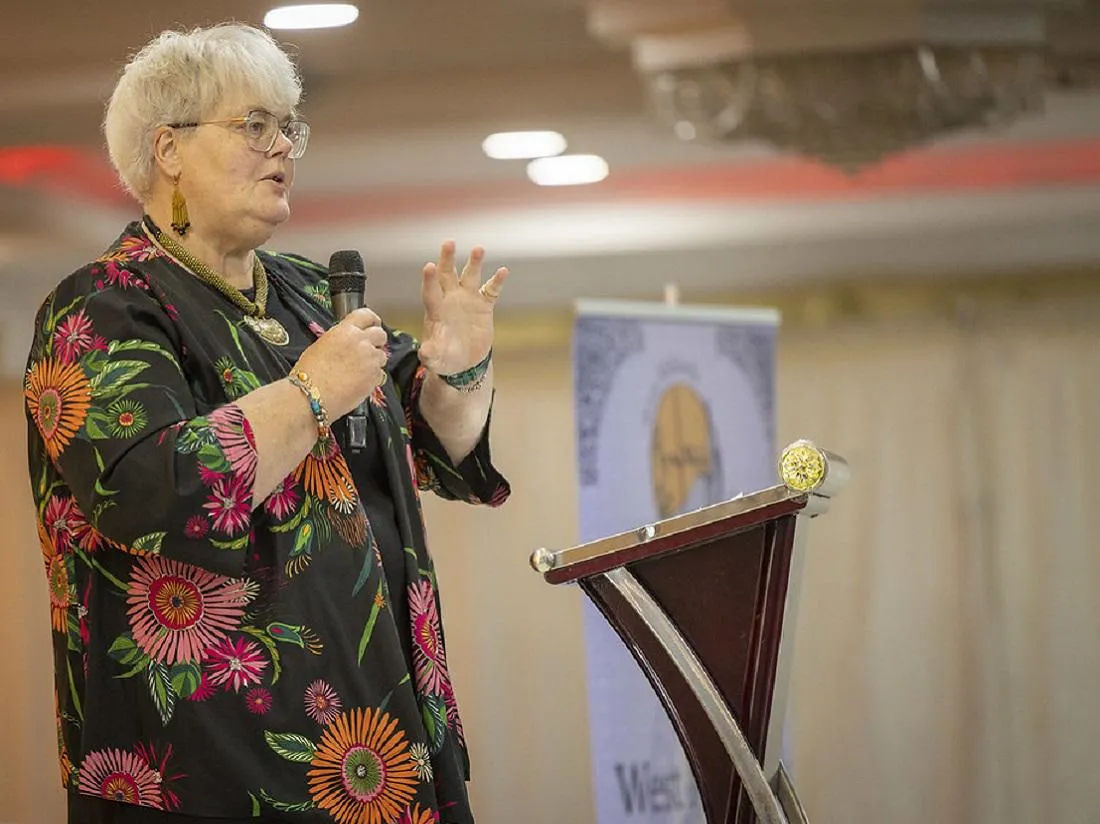
Recently retired civil servant Elizabeth (Liz) Formby MBE (pictured right) first experienced symptoms driving to visit family. She says: ‘I was shaking, had a dreadful headache and felt completely lost. I eventually made it to the cottage, and my family was shocked to see me shaking, sweating and clearly not well.’ As she began to struggle to see screens, her first thought was to visit her optician. She was later diagnosed with IIH.
‘Anything that can help both inform and help reduce the debilitating outcome of having IIH will be so worthwhile for the person with it,' Liz adds. 'It is also vital that those across the medical spectrum understand more about IIH and can recognise it, to get the help that is needed for the patient.’
Working with GPs across England to prevent strokes and cognitive decline
 Blood thinning medications (anticoagulants) are often prescribed to older people with atrial fibrillation (AF) to reduce the risk of stroke. Could they also reduce the high rate of vascular dementia when started earlier in patients with this very common heart rhythm disorder?
The first step towards finding out would be a clinical trial, but this would be difficult to achieve with normal clinical trial approaches – patients with AF are typically managed by GPs in the community and they often receive anticoagulants at a later age.
To reach a more representative group, Dipak Kotecha, Professor of Cardiology (pictured right) and his team has built a trial platform embedded within NHS primary care. The DaRe2THINK team, led from Birmingham, are currently running this trial in over 500 GP surgeries using routinely-collected NHS data to limit the burden on NHS patients and staff.
DaRe2THINK safely and securely screens patient records to identify to GPs which of their patients might be eligible to benefit from taking part in a clinical trial. Everything is delivered digitally, including reaching out to people with text messages and fully remote follow-up captured through linked NHS records, rather than relying on frequent in-person appointments. As the first DaRe2THINK trial is focused on preventing strokes, blood clots and dementia, the system includes digital self-reported data on quality of life, memory and reaction times. Over a thousand NHS patients have so far been included in DaRe2THINK.
Making trials more effective for rare conditions
 How do you figure out which treatments work when there are so few patients to take part in a clinical trial? Amos Burke, Professor of Paediatric Oncology (pictured right), is seeking better treatments for children with B-cell non-Hodgkin lymphoma, but there are only around 50-70 children per year in Europe and America who could realistically take part in a trial.
His Glo-BNHL trial platform can test several treatments in the same group of people with a rare disease. Set-up times are shortened and children on the trial can move from one treatment to another if it doesn’t work or is unsuitable. This is combined with some very clever maths. Bayesian statistical methods are used to make predictions without many participants or waiting for huge numbers to accumulate, so that if a treatment is not working or has intolerable side effects, the analysis means children can quickly switch therapies to one more likely to help.
Turning findings into widely available treatments more quickly
The Glo-BNHL project is also making sure discoveries become treatments any doctor can prescribe as soon as possible. At the moment, many academic trials end with a journal paper, and real-world impact then depends on whether the findings are noticed, cited, trusted and acted on.
To address this, the Glo-BNHL project is making sure evidence immediately meets industry-grade standards for data quality, assurance and trial conduct. Creating results that are “fit for filing” means the dataset can move directly into regulatory decision-making, rather than waiting for a publication to translate into a regulatory-ready package. This will reduce the delay to the usability of findings, so patients are not left waiting for access to new treatments.